


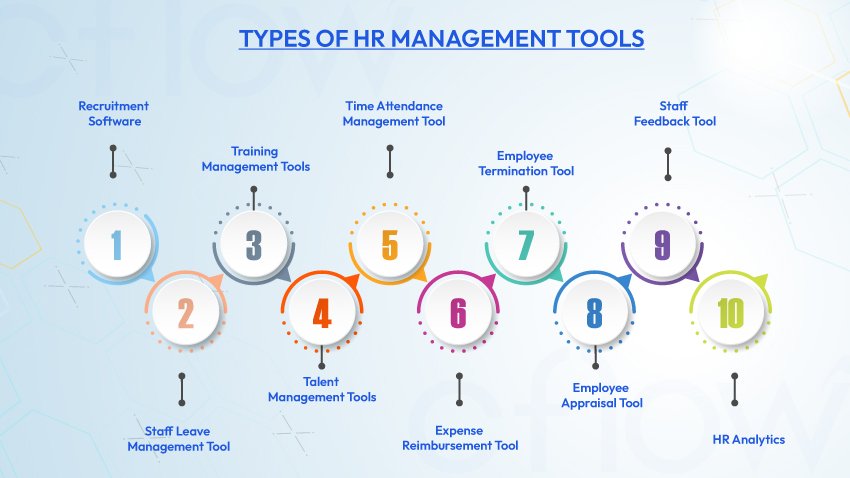
HR Tools Human resources has changed dramatically over the past few years. What once involved filing paperwork, updating spreadsheets, sending individual emails, and manually tracking employee information can now be handled through specialized HR tools. These platforms help businesses organize their workforce, automate repetitive tasks, improve communication, and make better decisions based on reliable data.
Whether a company has ten employees or several thousand, the right HR tools can make everyday operations considerably easier. They can support everything from recruitment and onboarding to payroll, attendance, performance management, employee engagement, and reporting. More importantly, they allow HR professionals to spend less time on administrative work and more time focusing on people and business strategy.
Choosing the right solution, however, is not simply about selecting the platform with the longest list of features. A useful HR tool should fit the company’s size, working style, budget, compliance requirements, and long-term goals. This guide explores what HR tools are, why they matter, the main types available, and how businesses can choose and use them effectively.
What Are HR Tools?
HR tools are software applications and digital platforms designed to help organizations manage different aspects of human resources. They bring employee-related information and processes into a more organized environment, reducing the need to rely on scattered documents, spreadsheets, emails, and manual records.
Some HR tools focus on one specific function, such as recruitment or payroll, while others offer a complete human resource management system. A broader platform may allow an HR department to maintain employee profiles, manage leave requests, track attendance, conduct performance reviews, create reports, and automate administrative workflows from one central location.
The biggest advantage is consistency. When employee information is stored in an organized system, HR teams can find what they need quickly and reduce the possibility of mistakes. Employees can also gain access to self-service features, allowing them to update certain information, request time off, view documents, or complete HR-related tasks without always contacting the HR department.
Why HR Tools Are Important for Modern Businesses
One of the main reasons businesses invest in HR tools is efficiency. HR departments often handle a large number of repetitive tasks, including updating records, checking attendance, processing requests, organizing documents, and preparing reports. Automating these activities gives HR professionals more time to concentrate on employee development, workplace culture, and strategic planning.
HR tools can also improve accuracy. Manual data entry creates opportunities for duplicated information, calculation mistakes, missing records, and outdated employee details. A centralized HR platform can reduce these problems by keeping information structured and making routine processes easier to monitor.
Another important benefit is visibility. Managers and HR professionals can use dashboards and reports to understand workforce trends more clearly. Depending on the platform, they may be able to analyze turnover, attendance, hiring progress, employee performance, training activity, or other workforce metrics. Better visibility can lead to better decisions because leaders are working with organized information rather than assumptions.
Recruitment and Applicant Tracking Tools
Recruitment is one of the areas where HR technology can make a noticeable difference. Applicant tracking tools help businesses organize candidates throughout the hiring process. Instead of keeping resumes and candidate communication in separate folders, recruiters can manage applications through a centralized system.
These tools often support job posting, resume collection, candidate filtering, interview scheduling, communication, and hiring workflows. Recruiters can track where each candidate is in the process and reduce the chance of forgetting an important follow-up.
A good recruitment tool can also improve the candidate experience. Timely communication, organized interviews, and clear processes make a company appear more professional. When recruitment teams are not overwhelmed by administrative work, they can spend more time evaluating candidates and building meaningful relationships with potential employees.
Employee Management and HR Information Systems
Employee management tools are designed to keep important workforce information in one place. Depending on the system, this may include contact details, job information, employment history, documents, compensation information, leave records, and organizational structures.
Having a centralized employee database can make everyday HR work much simpler. Instead of searching through multiple spreadsheets or physical files, authorized users can access relevant information from a single platform. This is particularly valuable as an organization grows and the number of employees increases.
These systems can also support employee self-service. Employees may be able to update personal information, download documents, submit requests, or review company policies independently. This reduces unnecessary administrative requests and allows HR teams to focus on more complex responsibilities.
Payroll and Time Management Tools
Payroll is another area where accuracy is extremely important. Payroll tools help businesses manage salary calculations, deductions, payment records, tax-related information, and other compensation processes. The exact features vary by country and provider, so businesses should always ensure that their chosen solution supports applicable local requirements.
Time and attendance tools complement payroll systems by tracking working hours, schedules, overtime, absences, and leave. For organizations with hourly workers or complex schedules, automated time tracking can significantly reduce administrative effort.
When payroll and attendance information can work together, businesses can reduce duplicate data entry. Employees and managers can also have a clearer understanding of working schedules and leave balances. This creates a smoother process for both HR teams and the wider workforce.
Performance Management Tools
Performance management is no longer limited to an annual review. Many organizations now use HR tools to support continuous feedback, goal setting, performance conversations, and employee development.
Performance management platforms can help managers establish objectives and monitor progress over time. They may also provide structured review forms, feedback features, performance records, and development plans. This gives employees clearer expectations and creates a more consistent approach to performance discussions.
The best results come when technology supports genuine communication rather than replacing it. A performance tool should make conversations easier to organize, but managers still need to provide thoughtful feedback, recognize achievements, and help employees understand how they can improve.
Learning and Employee Development Tools
Employee development has become an important part of retaining talented workers. Learning management and training tools help companies organize educational programs, courses, certifications, and professional development activities.
These platforms can make training easier to deliver at scale. Employees may be able to access courses online, complete assessments, track their progress, and receive certificates. HR teams can monitor participation and identify areas where additional training may be needed.
Development tools can also support long-term workforce planning. When companies understand which skills employees already have and which skills they need to develop, they can create more effective training strategies. This can reduce skill gaps while giving employees opportunities to grow within the organization.
Employee Engagement and Communication Tools
Employee engagement tools focus on understanding how employees feel about their workplace. Surveys, polls, feedback forms, recognition features, and communication functions can help companies gather useful insights from their workforce.
Regular feedback can reveal issues that may otherwise remain hidden. Employees might identify problems with communication, workload, management, workplace policies, or career development. When organizations respond constructively to this feedback, employees may feel that their opinions genuinely matter.
However, engagement tools should not become a substitute for real workplace relationships. Sending surveys without taking action can actually damage trust. The technology is most effective when businesses use employee feedback to identify problems, communicate openly, and make meaningful improvements.
Benefits of Using HR Tools
The benefits of HR tools extend beyond simple automation. One major advantage is centralized information. When important employee data is stored in a structured environment, HR teams can work more efficiently and managers can access relevant information when they need it.
Another benefit is scalability. Manual processes that work for a small company can become difficult when the workforce expands. HR software can provide repeatable workflows that continue to function as employee numbers increase. This makes it easier for HR teams to handle growth without increasing administrative work at the same rate.
HR tools can also improve the employee experience. Simple processes such as requesting leave, completing onboarding paperwork, checking schedules, or accessing company documents can become much more convenient. When employees can complete routine tasks quickly, they are less dependent on HR for basic administrative support.
How to Choose the Right HR Tools
Choosing HR software should begin with identifying the company’s actual needs. Businesses should consider which HR processes currently consume the most time, where mistakes happen most frequently, and which tasks employees or managers find difficult.
Budget is also important, but price should not be the only deciding factor. A low-cost tool may become expensive if it lacks essential features, requires extensive manual work, or creates integration problems. Companies should consider the total cost of ownership, including subscriptions, implementation, training, support, and potential customization.
Ease of use should receive equal attention. An HR platform can have impressive features, but those features have little value if employees and managers struggle to use them. A clean interface, straightforward workflows, mobile accessibility, good documentation, and responsive support can make a significant difference.
Security and Privacy in HR Software
HR systems handle highly sensitive information, so security should always be a priority. Employee records may contain personal details, compensation information, identification documents, performance data, and other confidential information.
Before selecting a platform, organizations should understand how data is protected, who can access it, and what security controls are available. Features such as role-based permissions, authentication options, audit logs, encryption, backups, and secure data handling can be important depending on the organization’s requirements.
Privacy and regulatory responsibilities should also be considered. Businesses operating across different regions may have different obligations regarding employee data. HR teams should work with appropriate legal or compliance professionals when necessary rather than assuming that every platform automatically satisfies every local requirement.
The Role of Automation in HR
Automation is one of the most valuable capabilities offered by modern HR tools. Repetitive activities can often be converted into workflows that require less manual intervention.
For example, an onboarding workflow can automatically assign tasks to new employees, notify relevant departments, collect documents, and remind managers about pending actions. Similar workflows can be created for leave requests, performance reviews, training assignments, and other recurring processes.
Automation does not mean removing the human element from HR. Instead, it allows HR professionals to spend less time on repetitive administration and more time dealing with situations that require judgment, empathy, communication, and strategic thinking.
Common Mistakes When Implementing HR Tools
One common mistake is choosing software based entirely on features. A platform may offer dozens of capabilities, but if most of them are irrelevant to the organization, they can make the system unnecessarily complicated.
Another mistake is failing to involve employees and managers in the implementation process. HR may select a system that looks perfect from an administrative perspective but feels inconvenient to the people expected to use it every day. Gathering feedback before implementation can help identify practical concerns early.
Poor training is another issue. Even a well-designed platform needs proper onboarding. Employees should understand how and when to use the system, while administrators and managers should receive deeper training on the features relevant to their responsibilities.
The Future of HR Tools
The future of HR technology is likely to involve greater automation, improved analytics, stronger employee self-service, and increasingly intelligent systems. Artificial intelligence is already influencing areas such as recruitment, workforce analytics, employee support, and document processing.
However, technology should be implemented responsibly. AI-powered HR features can save time, but organizations need to consider accuracy, transparency, privacy, and potential bias. Human oversight remains important, particularly when technology influences decisions involving employees or candidates.
The most successful HR departments will probably be those that combine technology with strong human judgment. HR is fundamentally about people, and software should support better experiences and better decisions rather than turn human resource management into a completely automated process.
Final Thoughts on HR Tools
HR tools have become an important part of modern workforce management. From recruitment and onboarding to payroll, performance management, training, engagement, and reporting, the right technology can simplify complicated processes and give HR teams better control over their work.
The key is not to purchase the most advanced platform simply because it has impressive features. Businesses should choose tools that solve real problems, fit their workflows, protect employee information, and remain useful as the organization grows.
Ultimately, successful HR technology is about balance. Automation can handle repetitive work, analytics can support better decisions, and self-service can improve convenience, but people remain at the center of HR. When technology is used thoughtfully, HR tools can help organizations build more efficient operations while creating a better experience for employees and managers alike.


