


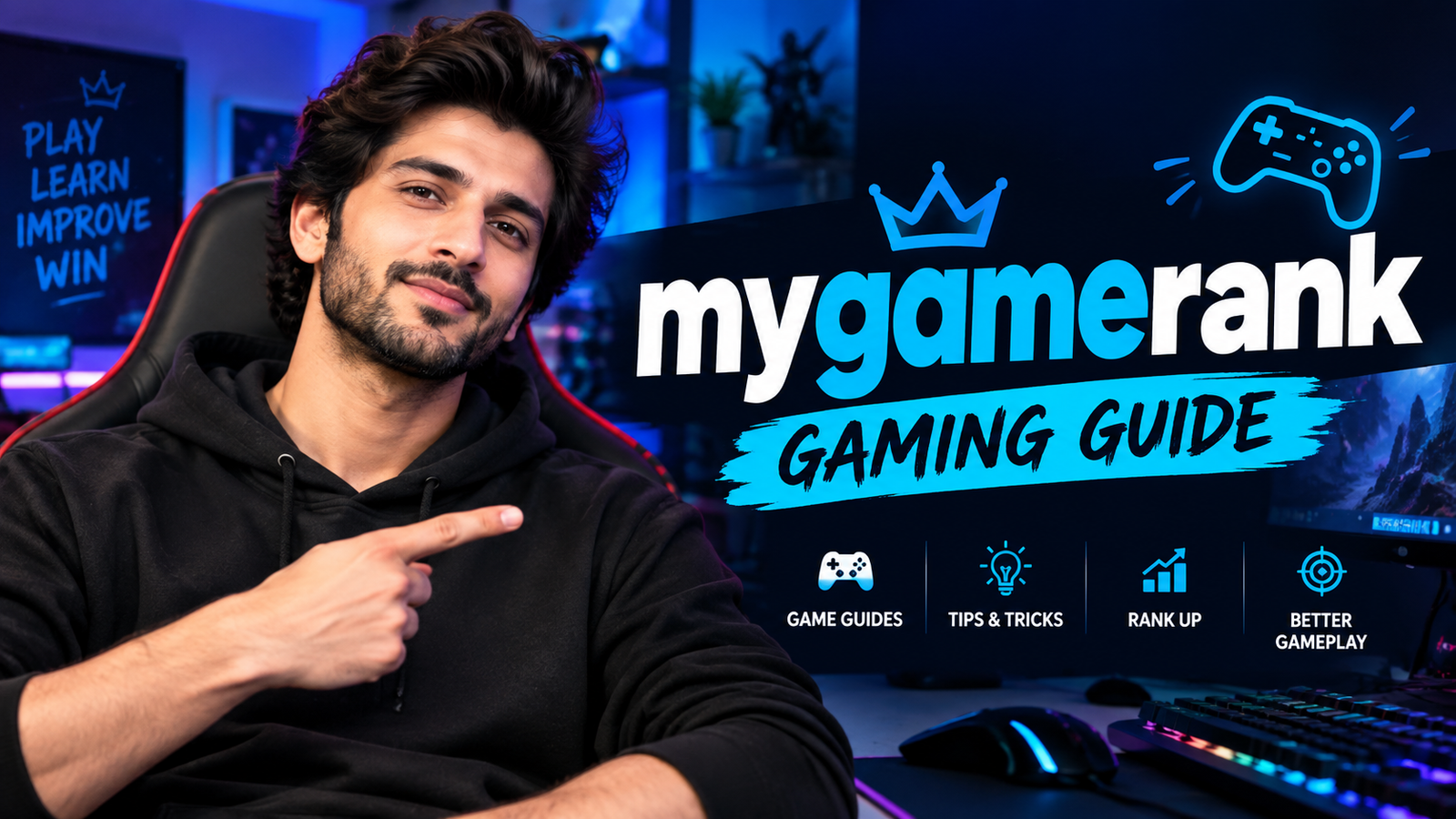
MyGameRank is a gaming platform that combines structured game guides with performance tracking and ranking tools, letting players look up strategy content alongside stats drawn from their own gameplay. According to the site’s own description, it pairs guide content with ranking data so advice stays tied to current player performance rather than outdated strategies. However, readers searching for “MyGameRank gaming guide” will encounter an unusually large volume of near-identical, templated articles across unrelated websites, which makes it harder to separate genuine information from generic filler content.
What Is MyGameRank?
MyGameRank describes itself as a platform for analyzing gameplay, discovering strategies, and tracking performance through guides and gaming statistics. The core offering combines two elements: a library of game-specific guides covering mechanics and strategy, and a ranking or analytics system that reportedly aggregates player statistics across platforms. This combination is meant to distinguish MyGameRank from static guide sites that only publish written tips without connecting that advice to a player’s actual performance data.
The platform states it covers games across console, PC, and mobile devices, and that its guide content is organized around mechanics, strategies, and rankings. Setup reportedly involves creating an account with an email address and optionally linking gaming accounts from platforms like PlayStation, Xbox, or Steam to enable cross-platform stat tracking.
Why Should You Be Cautious About Claims Found Online?
Search results for MyGameRank are dominated by repetitive, templated articles published across many unrelated domains, which is a pattern typical of automated or low-effort content generation rather than independent reporting. Multiple sources use nearly identical phrasing, bullet structures, and generic claims like “cutting-edge platform” or “powerful tools,” often without providing specific, verifiable details such as founding dates, team information, or concrete user numbers. This doesn’t necessarily mean MyGameRank itself is unreliable, but it does mean readers should verify specific claims directly on the official site rather than trusting secondary articles at face value.
What Kind of Gaming Guides Does MyGameRank Offer?
MyGameRank’s guide content reportedly spans beginner tutorials, intermediate strategy breakdowns, and advanced competitive content, aimed at covering players at every skill level. Guides are described as organized by game mechanics, genre-specific strategies, and meta-relevant content that gets updated as games receive patches. This structure is meant to help both new players learning core mechanics and experienced players refining competitive strategies find relevant content without sorting through unrelated material.
How Does MyGameRank Differ From Other Gaming Guide Sites?
The platform’s stated differentiator is tying guide content to ranking and performance data rather than publishing static advice in isolation. Instead of a generic walkthrough, the approach reportedly connects strategy content to how players are currently performing, which is intended to keep advice relevant to the current game state rather than outdated strategies from previous patches or seasons.
How Does the Ranking and Performance Tracking System Work?
MyGameRank’s ranking system reportedly aggregates player statistics across linked gaming platforms into a centralized performance dashboard. After linking accounts from supported platforms, users can reportedly view their stats, compare performance with friends, and track progress over time through what the platform describes as a gaming performance tracker. This positions the ranking feature as a companion to the guide content rather than a separate product.
What Should You Verify Before Relying on These Features?
Confirm current account setup steps, supported platforms, and privacy settings directly on MyGameRank’s official site before linking any gaming accounts. Because so much of the available online description comes from templated secondary articles rather than the platform itself, details about exactly which platforms are supported or how data is used are best confirmed firsthand rather than assumed from search results.
Is MyGameRank a Community-Driven Platform?
MyGameRank describes itself as fostering a community where players share experiences, discuss strategies, and participate in challenges together. This community angle is presented as an extension of the guide and ranking features, giving players a space to exchange strategies and collaborate rather than only consuming one-directional guide content. As with other claims about the platform, the scale and activity level of this community is not independently verifiable from the available secondary sources.
Common Misconceptions About MyGameRank Gaming Guides
A common misconception is that the sheer volume of articles describing MyGameRank confirms its scale or popularity. In reality, a large cluster of near-identical, templated content across unrelated domains is a sign of automated content production targeting a search term, not necessarily evidence of a platform’s actual size or quality. Another misconception is that every feature described in secondary articles, such as specific analytics tools or community challenge systems, is currently active exactly as described; features on any platform can change, and the most reliable source is always the platform’s own current website rather than older or duplicated third-party content.
Readers should also be cautious about guides claiming comprehensive coverage of “any game.” Genuinely comprehensive guide coverage across every title and genre is a significant undertaking, and claims of universal coverage are worth verifying against the platform’s actual guide library rather than taken at face value.
Conclusion
MyGameRank positions itself as a gaming guide platform that pairs strategy content with performance tracking and ranking data, aimed at helping players from beginner to competitive levels improve their gameplay. Because search results around this term are unusually repetitive and templated, the most reliable way to evaluate what MyGameRank actually offers is to visit the platform directly and review its current guides and features firsthand. Readers interested in similar tools might also look into established gaming stat-tracking platforms or genre-specific strategy communities for comparison.
Frequently Asked Questions
What is MyGameRank?
It’s a gaming platform that combines strategy guides with performance tracking, pairing written game advice with ranking data drawn from a player’s own gameplay statistics.
Is MyGameRank a legitimate gaming guide site?
Available descriptions suggest it offers guide content and performance tracking, but the large volume of templated, near-identical articles about it online means specific claims are best verified directly on the official site.
What games does MyGameRank cover?
It reportedly covers titles across console, PC, and mobile platforms, with guides organized by game mechanics, genre-specific strategies, and current meta content.
How do I set up a MyGameRank account?
Reportedly, you visit the official site, register with an email address, and optionally link gaming accounts from platforms like PlayStation, Xbox, or Steam to enable stat tracking.
How is MyGameRank different from other gaming guide websites?
Its stated differentiator is connecting strategy guides to real ranking and performance data, rather than publishing static tips disconnected from how players are currently performing.
Why are there so many similar articles about MyGameRank online?
A large cluster of repetitive, templated content across unrelated websites typically signals automated or low-effort content production targeting a search term, not necessarily a reflection of the platform’s actual size or quality.
Does MyGameRank have a community feature?
It reportedly includes a community space for players to share strategies and participate in challenges, though the scale and activity level isn’t independently verifiable from secondary sources.


