


What Are Chargers and Why Do They Matter?
Chargers have become one of the most essential accessories in modern life. Almost every electronic device we use regularly depends on some form of charging, from smartphones and tablets to laptops, wireless headphones, smartwatches, cameras, and other portable gadgets. Although a charger may look like a simple accessory, it plays an important role in transferring electrical energy safely and efficiently to a device’s battery.
The basic purpose of a charger is to convert electrical power from a source, such as a wall outlet, USB port, car socket, or power bank, into a form that an electronic device can use. Different devices require different levels of voltage and current, which is why chargers are not always interchangeable. Using a suitable charger can help maintain charging performance while reducing unnecessary stress on the device’s battery.
As technology has developed, chargers have become faster, smaller, and more intelligent. Modern charging systems can communicate with compatible devices to determine how much power is required at a particular moment. This has made charging considerably more convenient, especially for people who rely heavily on their devices throughout the day.
Different Types of Chargers
There are several types of chargers available today, and each one is designed for particular devices or situations. Traditional wall chargers remain among the most commonly used options because they connect directly to a household electrical outlet. Depending on their specifications, they can provide anything from basic charging power to high-speed charging for compatible smartphones, tablets, and computers.
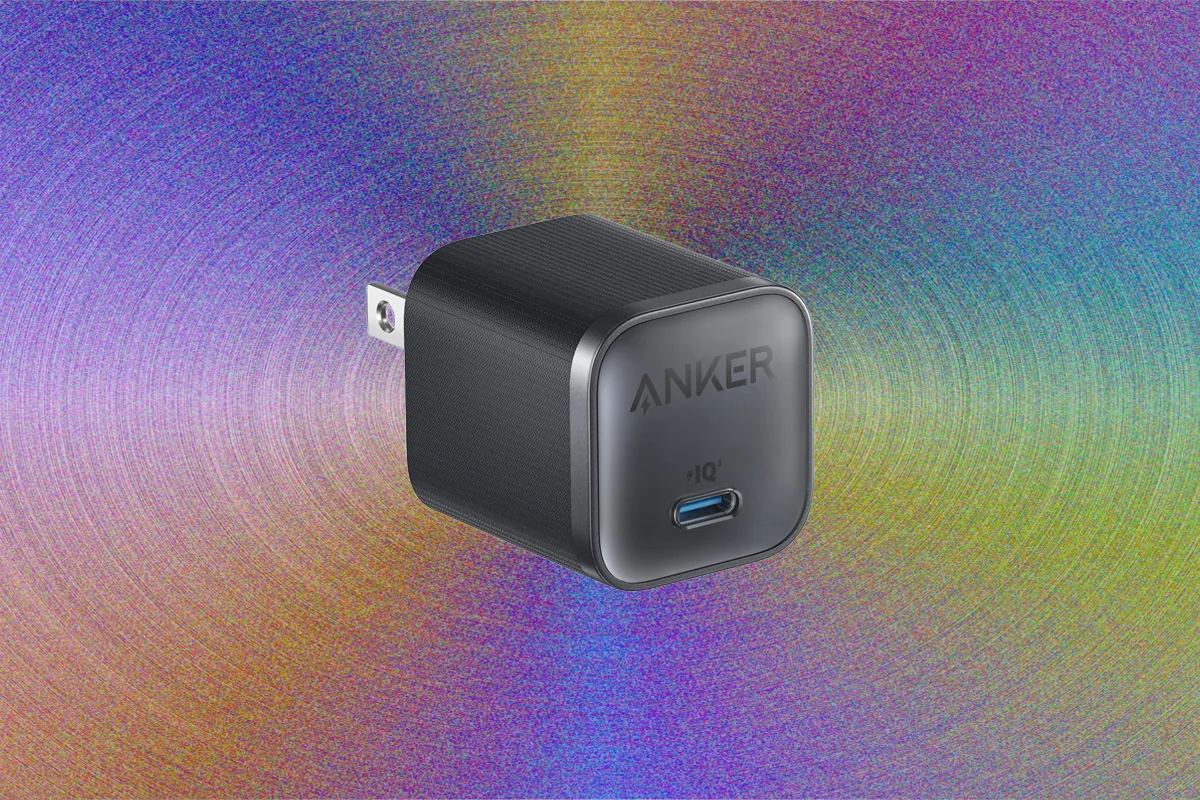
USB chargers have also become extremely common because USB technology is widely supported across modern electronics. USB-A chargers were once the standard, but USB-C has increasingly become the preferred connector for newer devices. USB-C chargers can support higher power levels and faster data transfer, while their reversible design makes them convenient to use.
Wireless chargers provide another option for compatible devices. Instead of connecting a cable directly to the device, a wireless charger transfers energy through electromagnetic induction. This can be particularly convenient on desks, bedside tables, and office spaces where users frequently need to place a phone down and pick it up again.
Fast Chargers and How They Work
Fast charging has changed the way people use mobile devices. Instead of waiting several hours for a battery to reach a useful level, compatible fast-charging systems can provide a substantial amount of power in a much shorter period. This is especially useful when someone has only a few minutes available before leaving home or heading to work.
Fast chargers generally work by delivering higher power than basic chargers, but the actual charging speed depends on several factors. The charger, cable, device, battery condition, and charging protocol all play a role. A high-powered charger does not automatically mean that every connected device will charge at its maximum possible speed.
Modern fast-charging technologies are also designed to manage power intelligently. A compatible device can request an appropriate power level, and the charger can adjust its output accordingly. This approach helps balance charging speed, temperature, battery health, and overall safety rather than simply delivering the highest possible power continuously.
USB-C Chargers and Their Growing Importance
USB-C has become increasingly important in the world of charging because it offers a flexible and widely adopted connection standard. Unlike older USB connectors, USB-C can be inserted in either orientation, which eliminates the frustration of trying to find the correct side of the connector. Its compact design also works well with modern phones, tablets, laptops, headphones, and other electronics.
One of the biggest advantages of USB-C is its ability to support different levels of power delivery. Depending on the charger, cable, and connected device, USB-C can be used for relatively low-power accessories or more demanding electronics. This makes it possible for one charger to potentially serve several devices instead of requiring a separate adapter for every product.
However, not every USB-C charger or cable has identical capabilities. Some support higher power levels, while others are intended mainly for lower-power devices. Before purchasing a USB-C charger, users should check the power requirements of their devices and ensure that the cable is also capable of handling the intended charging performance.
Wireless Chargers for Everyday Convenience
Wireless charging is popular because it removes the need to repeatedly plug a cable into a device. A compatible smartphone can simply be placed on a charging pad or stand, making it easy to begin charging. This is particularly useful in locations where a device is frequently placed down, such as a bedroom, office, or reception desk.
Wireless chargers come in several designs. Flat charging pads are simple and compact, while charging stands can keep a smartphone upright and visible during charging. Some multi-device charging stations can charge a phone, smartwatch, and wireless earbuds in one location, helping reduce cable clutter.
The main limitation of wireless charging is that it can be less efficient than a direct wired connection in some circumstances. The device also needs to be positioned correctly on the charging surface. For users who prioritize convenience and a clean setup, however, wireless charging can still be an excellent option for everyday use.
How to Choose the Right Charger
Choosing a charger should begin with understanding the device’s requirements. Check the manufacturer’s recommended charging specifications and determine the power level the device can accept. There is little benefit in purchasing an extremely powerful charger if the device cannot use that additional capacity.
The number of ports is another useful consideration. A single-port charger may be ideal for someone who normally charges one device at a time, while a multi-port charger can be much more practical for people who regularly charge several electronics. Multi-port chargers can also help reduce the number of adapters needed at home or while traveling.
Portability should also be considered. A compact charger is easier to carry in a backpack or travel bag, while a larger desktop charging station may be more suitable for a permanent workspace. The best charger is ultimately the one that matches the user’s devices, daily routine, power requirements, and preferred charging method.
Chargers and Battery Health
A charger does more than simply provide electricity to a battery. The charging system must manage how energy enters the battery, particularly as the battery approaches a high charge level. Modern devices include charging controls that help regulate this process and protect the battery from excessive electrical stress and heat.
Temperature is especially important for battery longevity. Batteries generally do not perform well when exposed to excessive heat for extended periods. Fast charging can generate additional heat under certain conditions, which is why many modern devices adjust charging speeds depending on temperature, battery level, and usage.
Good charging habits can therefore complement a suitable charger. Keeping devices away from unnecessary heat, using compatible accessories, and following manufacturer recommendations can help maintain battery performance over time. A charger alone does not determine battery lifespan, but it is an important part of the overall charging system.
The Importance of Charger Safety
Safety should always be a priority when selecting a charger. Poorly manufactured or damaged charging accessories can create electrical and overheating risks. A reliable charger should include appropriate protection features and be manufactured according to relevant safety standards for its market.
Users should also pay attention to physical damage. Frayed cables, cracked adapters, loose connectors, exposed wires, or unusual heat should not be ignored. Continuing to use damaged charging equipment can create unnecessary risks and may also lead to unreliable charging.
It is equally important to use a charger that is appropriate for the connected device. While modern electronics often include safeguards, choosing a compatible, reputable charger and cable remains a sensible approach. Spending a little more on dependable charging equipment can be worthwhile compared with dealing with damaged accessories or devices later.
Chargers for Travel and Everyday Carry
Travel often creates different charging requirements from those found at home. Instead of carrying several separate adapters, travelers may prefer a compact multi-port charger capable of supporting multiple devices. This can save space and make it easier to organize charging equipment in a bag.
Car chargers are another practical option for people who spend considerable time on the road. These chargers draw power from a vehicle’s electrical system and can keep phones and other compatible devices charged during journeys. Depending on the model and vehicle, car chargers may offer USB-A, USB-C, or multiple charging ports.
For longer trips, a power bank can provide an additional source of portable energy. It allows users to recharge compatible devices without needing immediate access to a wall outlet. When choosing a portable charger, capacity, output power, size, weight, and the number of ports are all worth considering.
Common Charger Mistakes to Avoid
One common mistake is assuming that every charger with the same connector will deliver identical performance. A USB-C connector, for example, does not automatically mean that every USB-C charger has the same power capabilities. Users should look beyond the connector shape and check the actual specifications.
Another mistake is ignoring the condition of cables. People often focus on the wall adapter while continuing to use an old or damaged cable. A poor-quality or damaged cable can reduce charging performance and may become a safety concern. Replacing worn cables is therefore an important part of maintaining a reliable charging setup.
Buying based solely on the lowest price can also be problematic. While affordable charging accessories can be perfectly functional, extremely cheap products from unreliable sources may not provide the same quality control or protective features as reputable alternatives. A charger is an electrical accessory connected directly to valuable electronics, so reliability should be considered alongside price.
The Future of Charging Technology
Charging technology continues to evolve as electronic devices become more powerful and portable. Manufacturers are working toward faster charging, smaller adapters, better energy efficiency, and improved thermal management. As these developments continue, chargers are becoming increasingly capable without necessarily becoming larger.
Wireless charging is also expected to remain an important part of the charging landscape. Improvements in charging efficiency, alignment, and multi-device systems could make wireless charging more practical for a wider range of everyday situations. The goal is not simply to eliminate cables but to make charging more convenient and flexible.
Another important trend is the development of charging systems that can intelligently manage multiple devices. A single adapter may increasingly be able to distribute power between a laptop, phone, tablet, earbuds, and other accessories according to their individual needs. This can simplify charging setups while reducing the number of separate adapters people need to carry.
Final Thoughts on Choosing and Using Chargers
Chargers may seem like ordinary accessories, but they are an essential part of the modern digital lifestyle. The right charger can make everyday device use more convenient, support faster charging where compatible, and provide a reliable way to keep important electronics powered throughout the day.
When choosing a charger, it is worth considering compatibility, power output, charging technology, port selection, portability, build quality, and safety features. A charger should match the requirements of the device rather than simply being selected because it looks powerful or has a familiar connector.
Ultimately, the best charging setup is one that fits naturally into your routine. Whether you prefer a compact wall charger, a powerful USB-C adapter, a wireless charging station, or a portable power bank, understanding the basics can help you make smarter decisions. As charging technology continues to improve, users will have even more flexible and efficient ways to keep their devices ready whenever they need them.