


Introduction
Epoxy flooring has become one of the most popular flooring solutions for both residential and commercial spaces. Known for its exceptional durability, attractive appearance, and resistance to chemicals and heavy traffic, epoxy flooring offers a practical solution that combines performance with style. Whether you’re upgrading a garage, renovating a warehouse, or improving the look of a retail store, epoxy flooring provides a reliable surface that can last for many years with minimal maintenance.
Unlike traditional flooring materials, epoxy flooring creates a seamless, glossy finish that enhances the overall appearance of any space. It is available in a wide variety of colors, textures, and decorative finishes, making it suitable for nearly every environment. Property owners appreciate its ability to withstand daily wear while maintaining its polished appearance.
This guide explores everything you need to know about epoxy flooring, including its benefits, installation process, maintenance requirements, costs, and how to choose the right type for your project.
What Is Epoxy Flooring?
Epoxy flooring is a surface coating created by combining epoxy resin with a hardener. When these two components are mixed, they undergo a chemical reaction that forms a rigid, highly durable plastic material. This material bonds tightly to concrete surfaces, creating a seamless and long-lasting floor.
One of the biggest advantages of epoxy flooring is its ability to protect concrete from damage. Concrete alone can crack, stain, and wear over time, especially in areas exposed to heavy equipment, vehicles, or chemicals. An epoxy coating acts as a protective barrier that significantly extends the lifespan of the floor.
Epoxy flooring is commonly used in garages, warehouses, hospitals, factories, showrooms, kitchens, schools, sports facilities, and even modern homes. Its versatility makes it one of the most trusted flooring systems available today.
Major Benefits of Epoxy Flooring
One of the primary reasons people choose epoxy flooring is its remarkable durability. It can easily handle heavy machinery, vehicle traffic, dropped tools, and constant foot traffic without showing significant signs of wear. This makes it ideal for industrial and commercial settings.
Another major benefit is its resistance to chemicals, oil spills, moisture, and stains. Unlike porous concrete, epoxy creates a sealed surface that prevents liquids from penetrating the floor. This feature simplifies cleaning while reducing long-term maintenance costs.
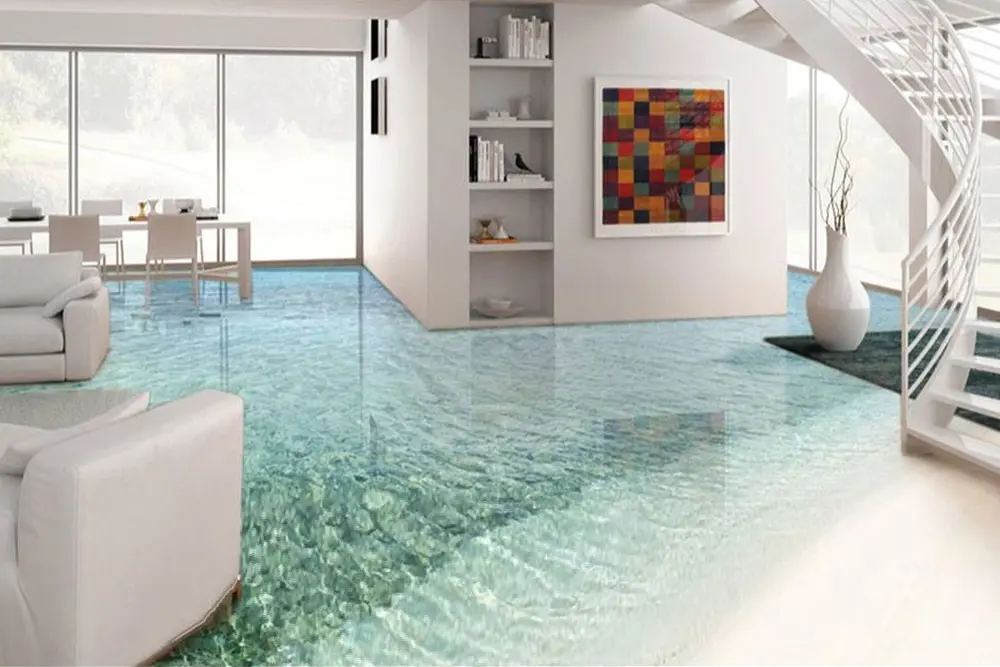
Epoxy flooring also improves the visual appeal of a space. Its glossy finish reflects light, making rooms appear brighter and larger. Decorative flakes, metallic pigments, and custom color combinations allow homeowners and businesses to create a floor that perfectly matches their design preferences.
Different Types of Epoxy Flooring
Solid epoxy flooring is considered the highest-quality option because it consists almost entirely of epoxy materials. It provides maximum durability and is commonly installed in commercial buildings, industrial facilities, and garages with heavy use.
Self-leveling epoxy flooring creates a perfectly smooth surface by filling small cracks and imperfections in concrete. It is widely used in hospitals, manufacturing plants, offices, and retail spaces where an even floor is essential.
Decorative epoxy systems include metallic epoxy, flake epoxy, and quartz epoxy. Metallic epoxy produces unique marble-like patterns with shimmering effects. Flake epoxy incorporates colored vinyl chips for texture and slip resistance, while quartz epoxy combines colored quartz grains for additional durability and aesthetic appeal.
The Epoxy Flooring Installation Process
Proper installation begins with preparing the concrete surface. Contractors thoroughly clean the floor, remove contaminants, repair cracks, and grind the concrete to create the ideal texture for bonding. Surface preparation is one of the most important steps because poor preparation often leads to coating failure.
After preparation, a primer may be applied to improve adhesion. The epoxy resin and hardener are then carefully mixed according to manufacturer specifications before being spread evenly across the floor. Depending on the desired finish, additional decorative flakes or metallic pigments may be added.
Finally, a protective topcoat is applied to increase scratch resistance, UV protection, and longevity. Once the floor has cured completely, it becomes an extremely durable surface capable of handling years of heavy use.
Where Can Epoxy Flooring Be Used?
Residential garages are among the most common locations for epoxy flooring. The coating protects concrete from oil stains, tire marks, chemicals, and moisture while giving the garage a clean, professional appearance.
Commercial businesses such as restaurants, retail stores, offices, automotive shops, and shopping centers also benefit from epoxy flooring. The seamless surface creates an attractive environment while making cleaning fast and efficient.
Industrial facilities rely heavily on epoxy flooring because of its ability to withstand forklifts, machinery, chemical spills, and continuous operation. Manufacturing plants, warehouses, laboratories, and food processing facilities frequently choose epoxy due to its exceptional performance.
Maintenance Tips for Epoxy Flooring
One reason epoxy flooring is so popular is its low maintenance requirements. Regular sweeping removes dirt and dust that could potentially scratch the surface over time. A soft dust mop or microfiber mop works well for daily cleaning.
For deeper cleaning, warm water and a mild floor cleaner are usually sufficient. Since epoxy surfaces are non-porous, spills can simply be wiped away without leaving stains. Harsh chemicals are rarely necessary for routine maintenance.
Although epoxy is extremely durable, using protective pads under heavy equipment and avoiding sharp impacts can help preserve the floor’s appearance even longer. Periodic inspections also allow small issues to be addressed before they become larger problems.
How Much Does Epoxy Flooring Cost?
The cost of epoxy flooring depends on several factors, including the size of the area, surface preparation requirements, coating thickness, decorative finishes, and labor costs. Basic residential installations generally cost less than highly customized commercial systems.
Premium options such as metallic epoxy, decorative flakes, or multi-layer industrial coatings typically require additional materials and labor, increasing the overall investment. However, these systems often provide enhanced durability and visual appeal that justify the added expense.
While epoxy flooring may have a higher upfront cost than some alternatives, its long lifespan and minimal maintenance often make it a cost-effective investment over time. Many property owners save money by avoiding frequent repairs and replacements.
Common Mistakes to Avoid
One of the biggest mistakes is applying epoxy over dirty or improperly prepared concrete. Dust, grease, moisture, or old coatings can prevent proper adhesion, causing peeling or bubbling later.
Another common error is rushing the curing process. Walking or driving on the floor before it has fully cured can permanently damage the finish. Following manufacturer curing recommendations is essential for achieving maximum durability.
Choosing the wrong epoxy system for the intended environment can also reduce performance. Industrial facilities require thicker, high-performance coatings, while decorative residential spaces may prioritize appearance over extreme durability.
Why Epoxy Flooring Is a Smart Long-Term Investment
Epoxy flooring offers outstanding value because it combines strength, beauty, and low maintenance in a single flooring system. Its ability to withstand years of heavy use means fewer repairs and lower replacement costs compared to many traditional flooring options.
The seamless finish also contributes to improved hygiene by preventing dirt, bacteria, and moisture from accumulating in cracks or grout lines. This makes epoxy an excellent choice for healthcare facilities, kitchens, laboratories, and food preparation areas.
Additionally, the wide variety of colors and decorative finishes allows property owners to create customized designs that enhance both functionality and visual appeal. Whether you prefer a modern metallic finish or a simple professional look, epoxy flooring provides numerous design possibilities.
Conclusion
Epoxy flooring continues to be one of the most reliable and attractive flooring solutions available for homes, businesses, and industrial environments. Its impressive durability, resistance to chemicals and moisture, ease of maintenance, and customizable appearance make it a practical investment for almost any property.
Whether you’re transforming a residential garage, upgrading a commercial showroom, or protecting an industrial warehouse floor, epoxy flooring delivers exceptional long-term performance. By investing in proper installation and regular maintenance, you can enjoy a beautiful, resilient floor that performs exceptionally well for many years.
As flooring technology continues to evolve, epoxy remains a top choice for those seeking a combination of strength, style, and value. Choosing the right epoxy system for your specific needs ensures that your floor will continue looking impressive while providing reliable protection long into the future.