


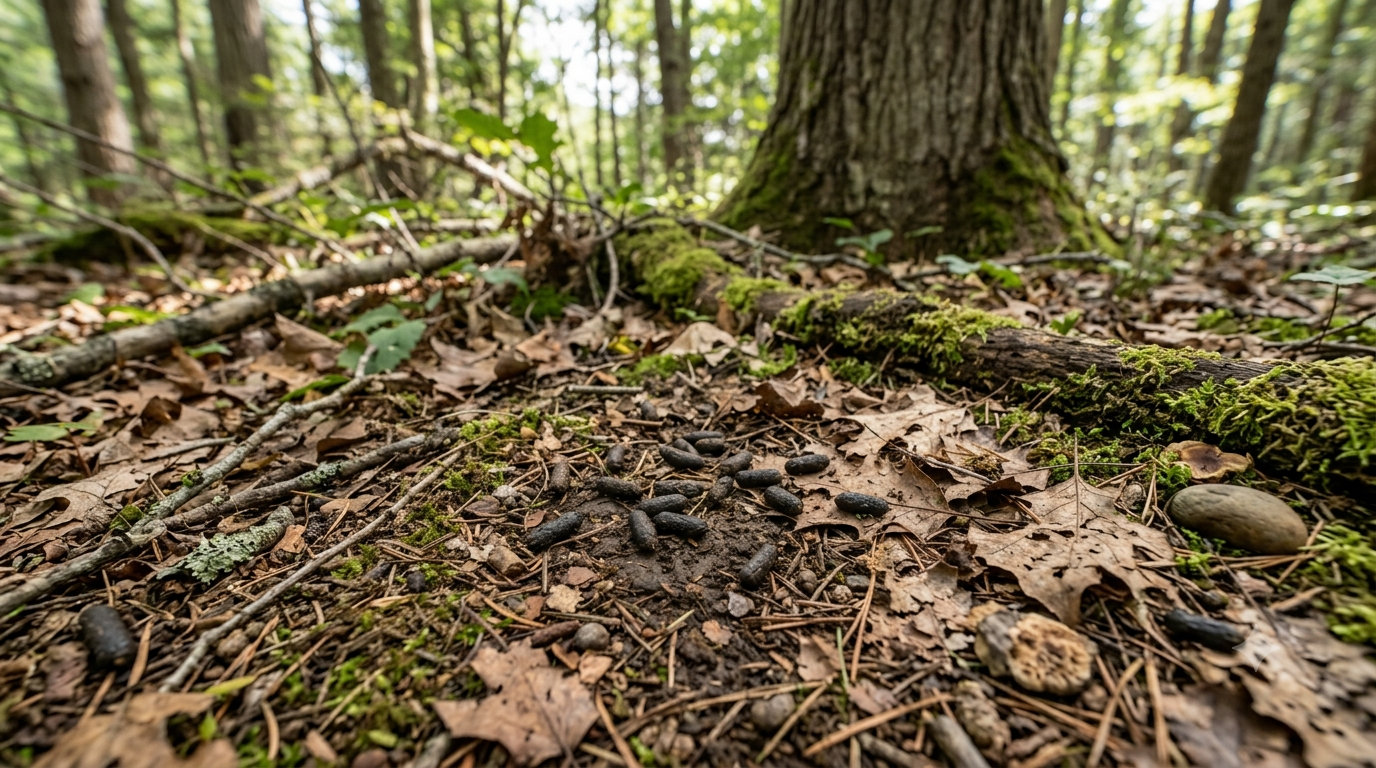
What Are Chipmunk Droppings?
Chipmunk droppings are small fecal pellets left behind by chipmunks as they move through their habitats. These droppings are often found in areas where chipmunks nest, forage, or seek shelter, such as attics, garages, sheds, gardens, and crawl spaces. Identifying these droppings correctly is important because they can easily be mistaken for the waste of other small rodents.
Typically, chipmunk droppings are dark brown or black and have an elongated shape with slightly pointed ends. Fresh droppings tend to be darker and softer, while older droppings become lighter in color and harder over time. Their size generally ranges from one-quarter to one-half inch in length, making them larger than many insect droppings but similar to some rodent waste.
Understanding what chipmunk droppings look like can help homeowners detect chipmunk activity before it becomes a larger problem. Since chipmunks are known to create burrows and occasionally invade structures, spotting droppings early can provide a valuable warning sign that intervention may be necessary.
How to Identify Chipmunk Droppings
One of the biggest challenges homeowners face is distinguishing chipmunk droppings from those of mice, rats, or squirrels. While they may appear similar at first glance, chipmunk droppings often have unique characteristics that can help with identification. They are usually slightly larger than mouse droppings and more uniform in shape.
Location is another important clue. Chipmunks frequently travel near gardens, landscaping features, woodpiles, and foundation areas. If droppings are found near burrow entrances or beneath bird feeders where food is abundant, chipmunks may be the likely source. Observing the surrounding environment can provide valuable context when trying to identify the animal responsible.
Additionally, chipmunk activity often leaves behind other signs. You may notice small tunnels, disturbed soil, scattered food caches, or visible chipmunk sightings during daylight hours. Since chipmunks are primarily active during the day, seeing them frequently around your property can strengthen the likelihood that the droppings belong to them.
Where Are Chipmunk Droppings Commonly Found?
Chipmunks prefer areas that provide both shelter and easy access to food. As a result, their droppings are commonly found near gardens, flower beds, shrubs, and wooded sections of residential properties. These locations offer protection from predators while supplying seeds, nuts, fruits, and insects that form part of their diet.
Inside structures, chipmunk droppings may appear in attics, storage sheds, garages, and crawl spaces. Chipmunks occasionally enter buildings through small openings in search of nesting sites or protection from harsh weather conditions. Once inside, they may leave droppings near nesting materials or along frequently traveled pathways.
Outdoor recreational spaces can also become hotspots for chipmunk activity. Decks, patios, and retaining walls often provide suitable hiding places. Homeowners who regularly inspect these areas can identify signs of chipmunks before populations grow or property damage occurs.
Are Chipmunk Droppings Dangerous?
While chipmunks are generally considered less problematic than larger rodents, their droppings should still be treated with caution. Animal waste can contain bacteria, parasites, and other microorganisms that may pose health risks if handled improperly. Direct contact should always be avoided whenever possible.
When droppings dry out and become disturbed, tiny particles can become airborne. Inhaling contaminated dust may increase the risk of exposure to certain pathogens. Although severe health issues are relatively uncommon, taking preventive measures is always recommended when cleaning areas affected by wildlife droppings.
Another concern involves secondary contamination. Chipmunk droppings can attract insects such as flies and beetles, which may contribute to sanitation issues. Maintaining a clean environment and removing droppings promptly can help minimize potential health and hygiene concerns.
How to Safely Clean Chipmunk Droppings
Before beginning cleanup, it is important to wear protective equipment. Disposable gloves, a face mask, and protective clothing can reduce the risk of exposure to potentially harmful particles. Safety should always be the first priority when dealing with any type of animal waste.
Avoid sweeping or vacuuming dry droppings directly, as this can release particles into the air. Instead, lightly dampen the affected area using a disinfectant solution or a mixture of water and household disinfectant. Moistening the droppings helps prevent dust from becoming airborne during removal.
After carefully collecting the droppings with disposable paper towels, place all waste materials into a sealed plastic bag for disposal. Once cleanup is complete, thoroughly disinfect the area and wash your hands with soap and water. These steps help ensure a safer and more effective cleaning process.
Preventing Chipmunks from Returning
Prevention begins with eliminating food sources. Chipmunks are attracted to bird seed, fallen fruit, pet food, and accessible garbage. Removing these attractants can make your property less appealing and encourage chipmunks to seek food elsewhere.
Sealing potential entry points around buildings is equally important. Small gaps in foundations, vents, and exterior walls can provide access to indoor spaces. Regular inspections and timely repairs can significantly reduce the likelihood of chipmunk intrusion.
Landscaping adjustments may also help. Trimming dense vegetation, removing debris piles, and reducing ground cover near structures can limit available hiding spots. A well-maintained yard creates a less favorable environment for chipmunks while improving overall property appearance.
Differences Between Chipmunk Droppings and Other Rodent Droppings
Chipmunk droppings are often confused with mouse droppings because both are small and dark in color. However, chipmunk droppings tend to be slightly larger and may appear in outdoor areas more frequently than mouse waste. Understanding these distinctions can improve identification accuracy.
Rat droppings are generally much larger and thicker than chipmunk droppings. Rats also tend to leave significant quantities of waste in concentrated areas, whereas chipmunk droppings are often scattered along travel routes or near feeding locations.
Squirrel droppings can be particularly difficult to distinguish from chipmunk droppings. In many cases, observing animal behavior, nesting locations, and surrounding signs is necessary to determine which species is present. Combining physical evidence with environmental clues provides the most reliable results.
When to Call a Professional
In some situations, professional assistance may be the most effective solution. If you discover large amounts of droppings, recurring infestations, or evidence of nesting inside structures, a wildlife control expert can provide a thorough assessment and treatment plan.
Professionals have the tools and experience needed to identify entry points, remove animals humanely, and implement long-term prevention strategies. Their expertise can save homeowners time and reduce the likelihood of recurring problems.
Seeking professional help is especially worthwhile when chipmunks have caused structural damage or created extensive burrow systems around foundations and landscaping features. Addressing these issues early can prevent more costly repairs in the future.
Conclusion
Chipmunk droppings are a common sign of chipmunk activity around homes, gardens, and outdoor structures. Although they may appear harmless, proper identification and safe cleanup practices are important for maintaining a clean and healthy environment. Understanding the characteristics of chipmunk droppings can help homeowners recognize potential wildlife activity before it becomes a larger concern.
By removing food sources, sealing entry points, and maintaining a tidy property, homeowners can greatly reduce the chances of attracting chipmunks. Consistent monitoring and preventive measures are often the most effective ways to manage wildlife activity and protect both property and health.
Whether you are dealing with a few droppings in the garden or signs of a larger infestation, taking prompt action can make a significant difference. With the right knowledge and approach, chipmunk-related issues can be handled effectively while keeping your home and outdoor spaces safe and enjoyable.