


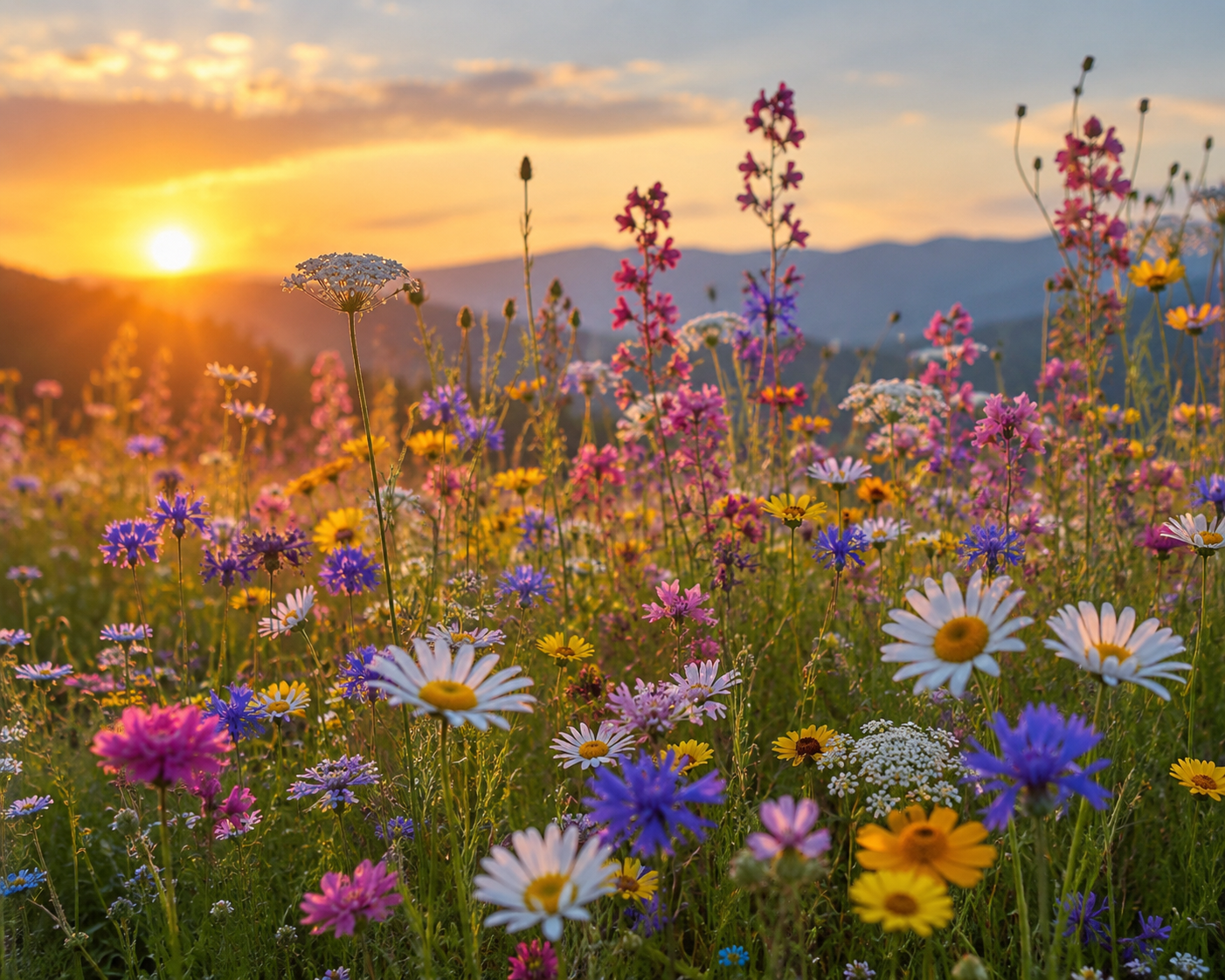
What Are Wildflowers?
Wildflowers are flowers that grow naturally in the wild without being intentionally planted or cultivated by humans. They can be found in a variety of environments, including meadows, forests, mountains, grasslands, and even along roadsides. These flowers have adapted to their surroundings over centuries, making them an important part of natural ecosystems.
One of the most fascinating aspects of is their ability to thrive in diverse conditions. Unlike many cultivated garden plants, have evolved to survive local weather patterns, soil types, and environmental challenges. This resilience allows them to flourish in places where other plants may struggle.
Wildflowers also add vibrant colors and textures to natural landscapes. From bright red poppies to delicate blue cornflowers and cheerful yellow buttercups, these flowers create stunning displays that attract nature lovers, photographers, and outdoor enthusiasts around the world.
Why Wildflowers Are Important for Nature
Wildflowers are much more than beautiful plants. They play a critical role in maintaining healthy ecosystems and supporting biodiversity. Many insects, birds, and small animals depend on wildflowers for food, shelter, and reproduction.
Pollinators such as bees, butterflies, and hoverflies rely heavily on for nectar and pollen. These pollinators are essential for the reproduction of many plant species, including crops that humans depend on for food. Without pollinator populations could decline significantly.
Wildflowers also contribute to soil health. Their root systems help prevent erosion, improve soil structure, and increase water retention. Some species even enrich the soil by adding nutrients, creating a healthier environment for surrounding vegetation.
Different Types of Wildflowers
There are thousands of wildflower species across the globe, each uniquely adapted to its local environment. Different regions have their own native that contribute to the character and biodiversity of the landscape.
Poppies are among the most recognizable Their bright red petals create spectacular displays in fields and meadows during the blooming season. They are often associated with remembrance and natural beauty.
Cornflowers are another popular wildflower species. Known for their vivid blue color, they attract numerous pollinators and add striking contrast to wildflower meadows. Other common include daisies, buttercups, chamomile, and various species of wild orchids.
Each species plays a unique role in supporting wildlife and maintaining ecological balance. Together, they form diverse and colorful plant communities that enrich natural habitats.
The Relationship Between Wildflowers and Pollinators
Pollinators and wildflowers share a mutually beneficial relationship. provide nectar and pollen as food sources, while pollinators help transfer pollen between flowers, enabling plant reproduction.
Many agricultural landscapes consist of large monocultures that bloom only for short periods. Wildflowers help fill the gaps by providing food throughout the growing season. This continuous supply of nectar is essential for sustaining healthy pollinator populations.
Butterflies particularly benefit from . Adult butterflies feed on nectar, while certain wildflower species serve as host plants where butterflies lay their eggs. This supports the entire life cycle of these beautiful insects.
By preserving wildflower habitats, communities can help maintain healthy populations of pollinators, which in turn support food production and biodiversity.
How Wildflowers Enhance Landscapes
One of the most visible benefits of is their ability to transform landscapes. Large fields of blooming create breathtaking scenery that attracts visitors from around the world.
Wildflower meadows offer more than visual appeal. Research has shown that spending time in natural environments can reduce stress, improve mood, and promote overall well-being. The presence of colorful flowers contributes to a sense of peace and relaxation.
In addition, wildflowers add diversity to landscapes. Their varying heights, colors, and blooming periods create dynamic environments that change throughout the seasons, providing year-round interest and beauty.
These natural displays also contribute to tourism and recreation, supporting local economies while encouraging appreciation for the environment.
Using Wildflowers in Home Gardens
Wildflowers have become increasingly popular among gardeners who want to create beautiful, eco-friendly outdoor spaces. A wildflower garden can provide color, attract wildlife, and require less maintenance than traditional ornamental gardens.
Many wildflower species are drought-tolerant and well-suited to local conditions, reducing the need for excessive watering and fertilization. This makes them an environmentally friendly gardening choice.
Wildflower gardens also attract beneficial insects such as bees, butterflies, and ladybugs. These creatures help pollinate plants and naturally control garden pests, creating a healthier garden ecosystem.
For the best results, gardeners should choose native wildflower species that match local soil and climate conditions. Planting a variety of flowers that bloom at different times ensures continuous color and support for pollinators throughout the year.
Challenges Facing Wildflowers Today
Despite their importance, wildflowers face numerous threats worldwide. Habitat loss, urban development, intensive agriculture, and climate change have contributed to declining wildflower populations in many regions.
Natural grasslands and meadows are often converted into farmland, housing developments, or industrial areas. As these habitats disappear, wildflowers lose the space they need to grow and reproduce.
Invasive plant species also pose a significant challenge. These non-native plants can spread rapidly and outcompete native wildflowers for sunlight, water, and nutrients.
Climate change further complicates the situation. Rising temperatures, shifting rainfall patterns, and extreme weather events can affect blooming seasons, seed production, and species distribution, making survival more difficult for some wildflower populations.
How We Can Protect Wildflowers
Protecting wildflowers starts with awareness and responsible environmental practices. Individuals, communities, and organizations all have a role to play in preserving these valuable plants.
One effective approach is creating wildflower-friendly spaces in gardens, parks, and public areas. Reducing pesticide use and planting native species can significantly benefit local pollinators and wildlife.
Conservation programs that protect natural meadows and restore degraded habitats are also essential. These efforts help maintain biodiversity and ensure that wildflower populations continue to thrive.
Education is another important tool. When people understand the ecological value of wildflowers, they are more likely to support conservation initiatives and make environmentally conscious choices.
The Future of Wildflowers
The future of wildflowers depends largely on how societies balance development with environmental conservation. Growing awareness of biodiversity loss has encouraged many governments, organizations, and individuals to take action in support of native plants and pollinators.
Wildflower restoration projects have gained popularity in many countries. Roadsides, parks, and agricultural buffer zones are increasingly being planted with native wildflowers to support wildlife and enhance natural beauty.
Advances in ecological research are also helping conservationists better understand how to protect and restore wildflower habitats. These efforts provide hope for the long-term survival of many species.
By valuing and protecting wildflowers today, future generations will be able to enjoy the ecological and aesthetic benefits they provide.
Conclusion
Wildflowers are among nature’s most remarkable treasures. They bring color and beauty to landscapes while supporting pollinators, improving soil health, and maintaining biodiversity. Their presence benefits both wildlife and people, making them an essential component of healthy ecosystems.
Although wildflowers face significant challenges from habitat loss, invasive species, and climate change, there are many ways to support their survival. From planting native flowers in gardens to protecting natural habitats, every effort contributes to conservation.
The beauty of wildflowers extends far beyond their appearance. They symbolize the resilience of nature, the importance of ecological balance, and the interconnectedness of all living things. Protecting wildflowers is not only an investment in biodiversity but also a commitment to preserving the natural world for generations to come.